
Activities in the Caprivi
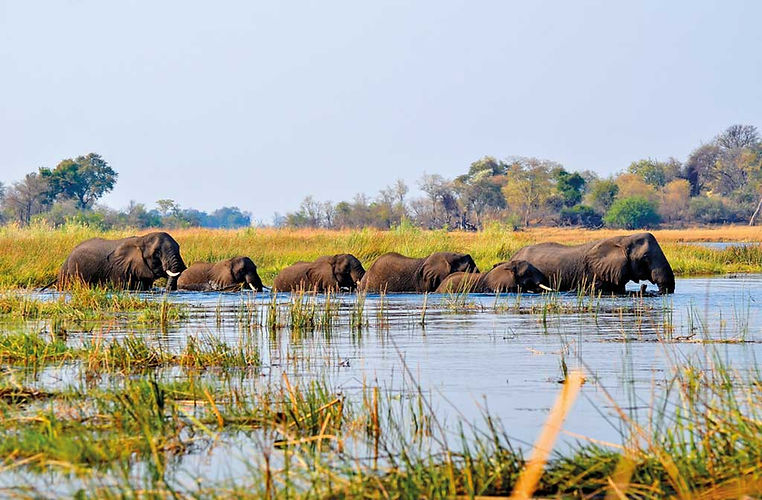
This page offers a glimpse into the many attractions and experiences that make the Caprivi Region truly special—from its untamed national parks and rich wildlife, to its vibrant local culture, and the lush, green landscapes that flourish throughout the year—an extraordinary contrast to the rest of Namibia.

Victoria Falls Tour
Victoria Falls, Africa’s largest waterfall, is a stunning natural attraction located in Zimbabwe.
Caprivi Adventures in Katima Mulilo offers easy day trips, allowing travelers to visit the falls directly from Namibia.
It’s a simple and scenic way to experience one of the world’s greatest wonders.

Nkasa Rupara National Park
Nkasa Rupara National Park, formerly Mamili National Park, covers 320 km² and is one of Namibia’s smaller yet ecologically rich game parks.
Located in the southern part of the Caprivi Strip, it lies just below Mudumu National Park.
The park is accessible via the C49 road from either Kongola or Katima Mulilo.

Kwando Core Area
The Kwando Core Area, located along the western bank of the Kwando River in northeastern Namibia’s Caprivi Strip, forms part of the larger Bwabwata National Park. Spanning 1,280 km², it is a remote wilderness area known for its rich wildlife and scenic riverine landscapes. Access is only recommended for 4x4 vehicles, as many of the routes are sandy and challenging to navigate.

Mafwe Living Museum
The Living Museum offers an immersive outdoor experience where visitors can explore the traditional lifestyle and customs of the Mafwe people. With enthusiasm and pride, the Mafwe share their cultural practices through demonstrations and storytelling. An English-speaking guide is present to interpret and explain each activity in detail for guests.

Mudumu National Park
Mudumu National Park lies in northern Namibia’s Caprivi Strip, with the Kwando River forming its western boundary. Covering around 1,000 km², the park features a landscape unlike most of Namibia—characterized by flowing rivers, reed-covered islands, and flat, open terrain with no natural hills or elevations.
This unique environment supports a rich variety of wildlife and bird species.


